The Academy
Leadership Academy
Three Pillars. One prepared leader.
VOICE · STUDY · SERVICE
What the Academy Is
A practice environment for the disciplines of public leadership.
Leadership is not developed only by learning concepts. It is developed through disciplined practice. The Academy is where students repeatedly practice the disciplines that serious public leadership requires — before those abilities are tested through serious public work.
The Academy Pillars
The disciplines of public leadership.
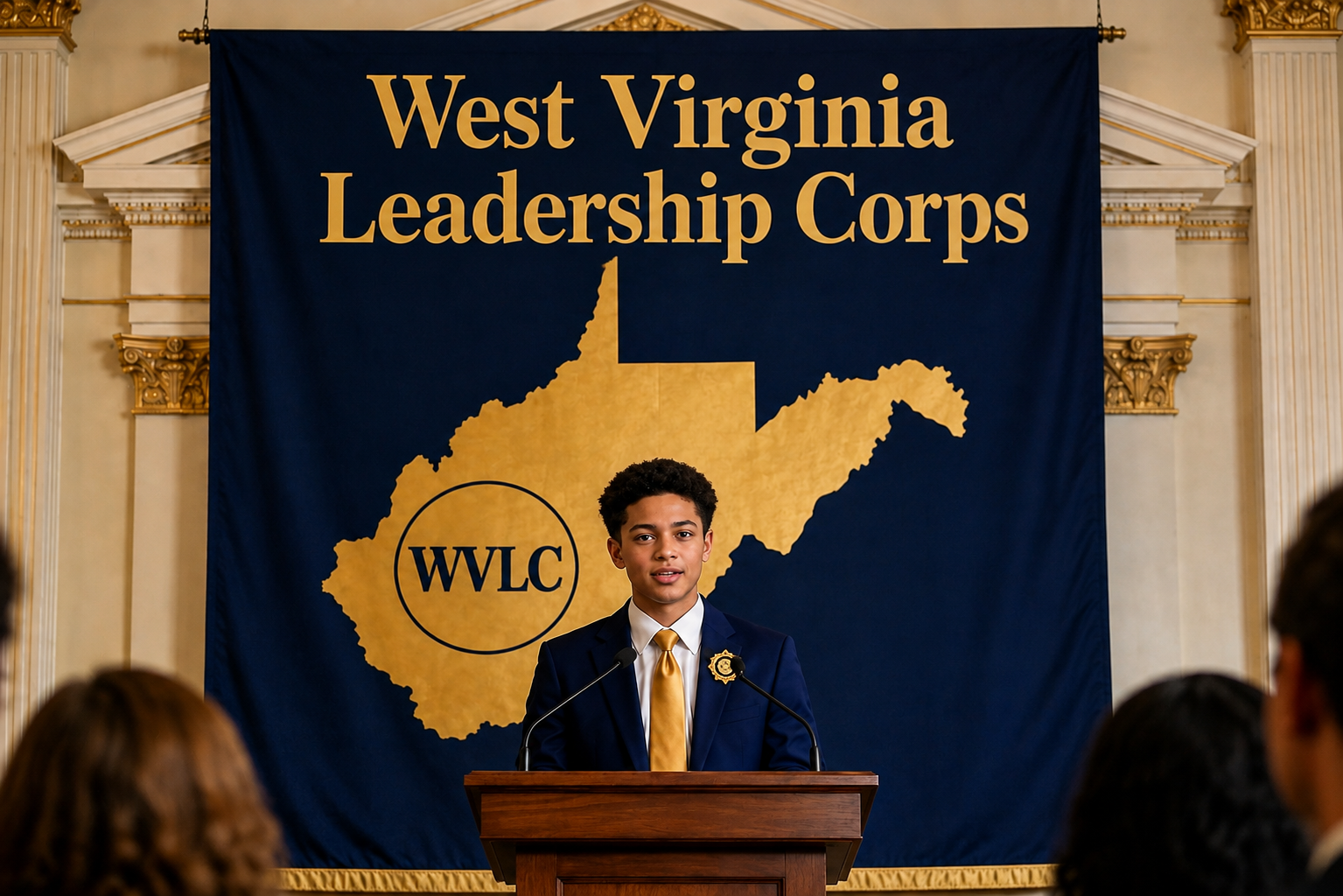
VOICE
Public Speaking
Students practice communicating ideas with confidence, clarity, discipline, and respect.
Candidates learn to communicate ideas with confidence and respect — to make the case, listen to the counterargument, and answer hard questions without losing composure.
- —
Foundations of oratory
Posture, pace, projection, presence.
- —
Impromptu reasoning
Structured argument under pressure.
- —
Town-hall format
Listening to constituents and giving plain-language answers.
- —
Debate craft
Steel-manning the opposing view before responding.
VOICE is not about producing polished political speakers. It is practice in communicating clearly, listening seriously, responding under pressure, and treating disagreement responsibly.
STUDY
Policy Research
Students practice learning before concluding.
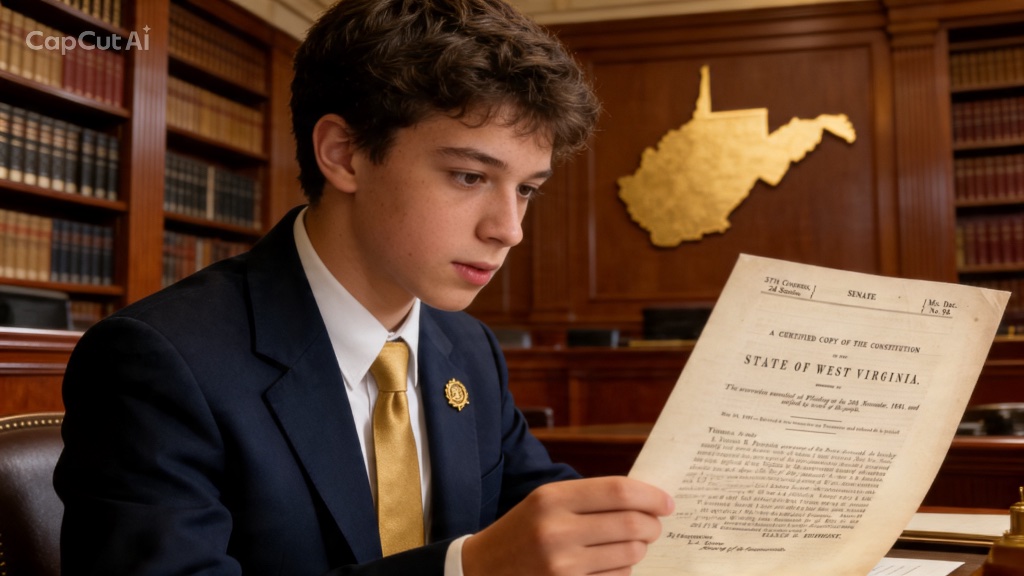
Every opinion begins with original sources. Candidates read the documents themselves — history, statute, constitution — before they form the views they will one day defend.
- —
Constitutional reading
The founding documents, line by line.
- —
Source-first analysis
Primary documents over secondary commentary.
- —
County case studies
The history and economy of a real place.
- —
Policy briefs
Translating research into a defensible recommendation.
STUDY BEFORE POSITION.
Students learn to investigate what is true, what already exists, what authority applies, and what evidence supports — before deciding what they believe should happen.
SERVICE
Service Training
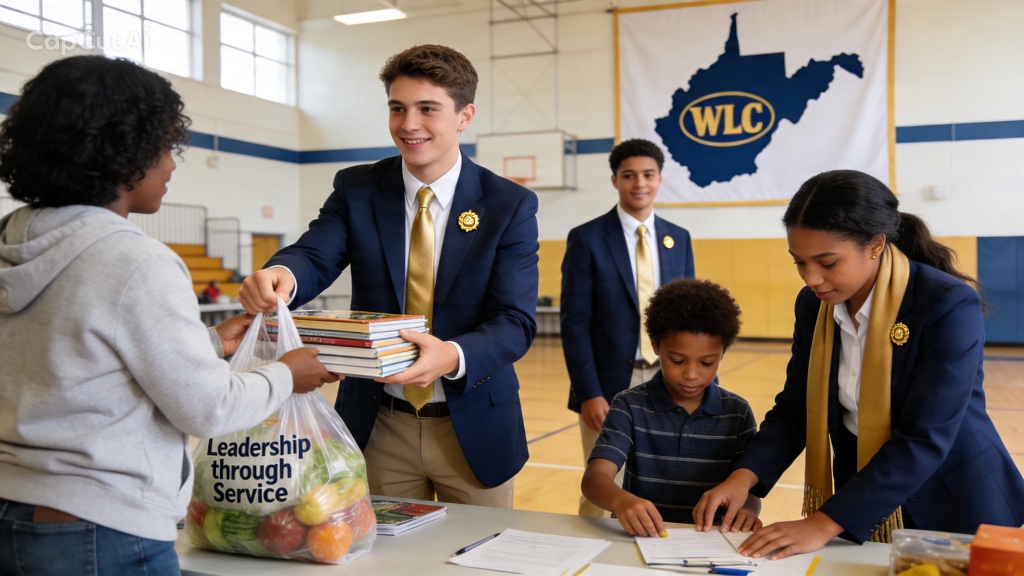
Students practice responsibility through direct engagement with communities and people beyond themselves.
Public leadership begins with responsibility to others. Candidates serve alongside people in their communities, encounter needs directly, and learn that leadership carries obligations before it carries status.
- —
Community needs assessment
Identifying real problems in a real place.
- —
Service projects
Planned, executed, and evaluated with a community partner.
- —
Civic mentorship
Learning alongside an elected or community leader.
- —
Reflection and accountability
Documenting the work and what it taught.
SERVICE BEFORE STATUS.
Service gives students experience with responsibility, contribution, humility, and accountability before the stakes of public leadership are real.
Practiced Before the Stakes Are Real
VOICE. STUDY. SERVICE.
Across the WVLC experience, students practice all three. Candidate Ready is where that preparation must ultimately be demonstrated — through knowledge, judgment, communication, character, and responsibility.
Knowledge. Character. Service.